Home / SEO
SEO for Shopify stores and service businesses
Technical fixes, better collection and service pages, and content that earns links. Built for the searches that lead to sales, and measured in revenue, not rankings alone.
- Shopify technical SEO
- Local SEO for multi-location businesses
- Monthly revenue reporting

Start with the pages that make money
Plenty of SEO work produces traffic that never buys anything: blog posts ranking for loosely related questions, or glossary pages nobody needed. We start at the other end, with the pages closest to revenue.
- For Shopify stores, that means collection pages and product pages for the searches buyers make when they’re ready to compare and buy.
- For lead-based businesses, it means service pages and location pages for searches like “dental implants Austin” or “employment lawyer near me”.
We map each important search to one page on your site. Where two pages compete for the same search, we merge them. Where no page exists, we build one. Pages already ranking on page two get attention first, because a small push there pays off fastest.
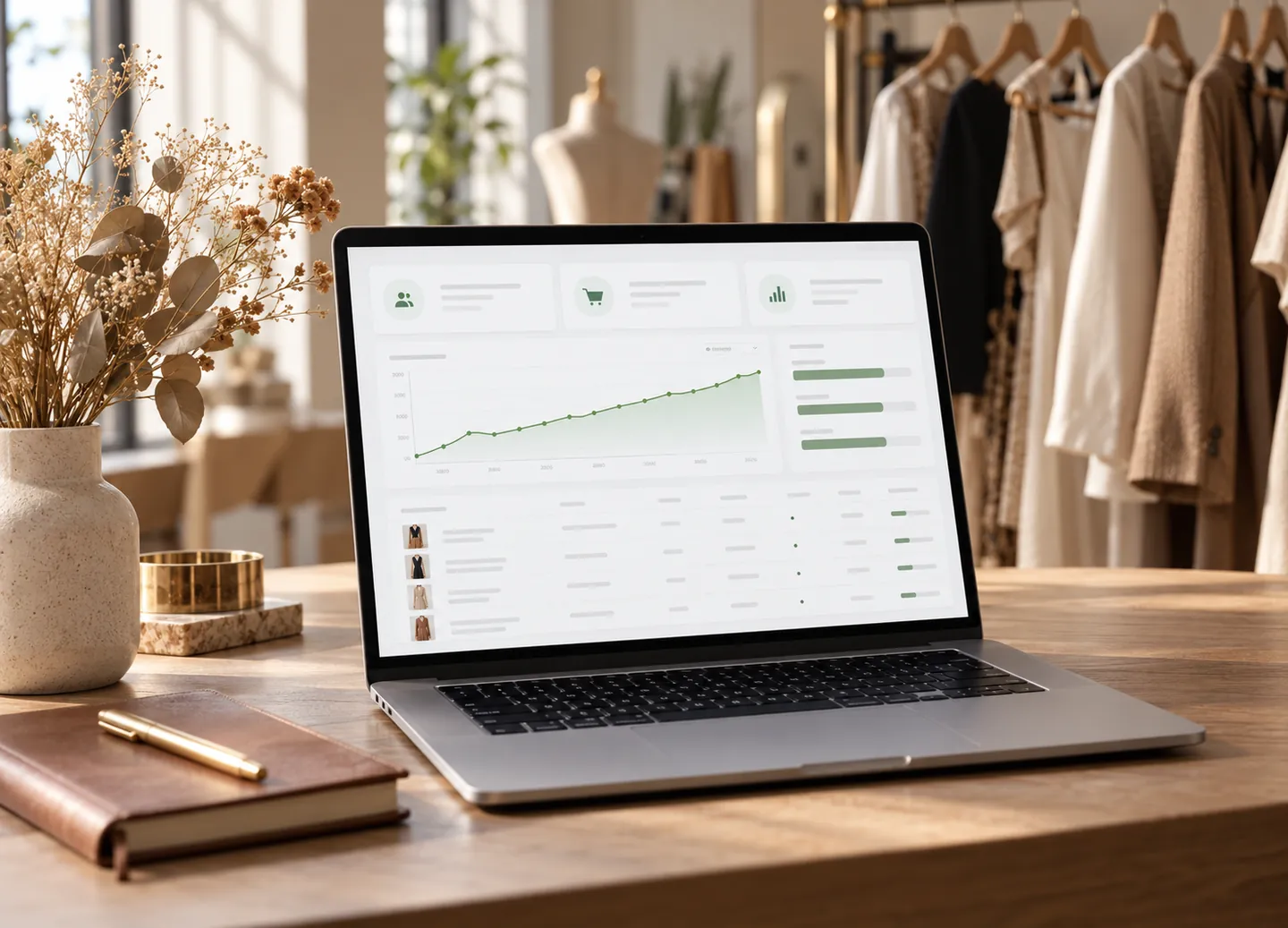
Technical SEO for Shopify
Shopify is a solid platform for SEO, but it has habits you need to manage. These are the fixes we make most often:
Duplicate product URLs
Many themes link to products through collection paths. We point internal links at the canonical product URL, so search engines see one version of each product.
Filter and sort pages
Faceted navigation can create thousands of near-duplicate pages. We decide which filters deserve their own indexable page and keep the rest out of the index.
Speed and Core Web Vitals
App scripts, oversized images and heavy themes slow stores down. We audit apps, defer what we can and fix image loading for better LCP, INP and CLS.
Structured data
Product, offer, review, breadcrumb and organisation markup, checked against what’s actually on the page so it qualifies for rich results.
International stores
Shopify Markets setups with correct hreflang, currency and language handling, so the right version ranks in each country.
Crawl control
Custom robots.txt rules, clean sitemaps and fixes for redirect chains and broken internal links.
Collection, product and service pages
A collection page with a heading and a grid of products gives search engines very little to go on. We add what shoppers actually want to know: a short introduction above the grid, buying advice below it, answers to common questions and links to related collections.
On product pages we write unique descriptions instead of manufacturer copy, add real specifications, size and care information, and make sure reviews are visible and marked up.
For service businesses, every service page covers who it’s for, what happens, how much it costs or what affects the price, how long it takes and why people choose you. Those are the questions people ask on the phone, so they’re the questions the page should answer.
Content that earns links and trust
Guides, comparisons and how-to articles still matter, as long as they’re useful and written by people who know the subject. We plan content around three jobs:
- Helping buyers choose. Comparisons, buying guides and “which one is right for me” pages that lead naturally to your products or services.
- Showing expertise. Pieces written or reviewed by named experts, with real experience behind them.
- Earning links. Original data, tools and stories journalists and bloggers want to cite.
We don’t publish hundreds of thin AI-written pages. Search engines have become good at spotting them, and they make a site look less trustworthy, not more.
Local SEO for lead-based businesses
If customers come to you, or you go to them, local search is often your best lead source. We look after:
- Google Business Profile for each location: categories, services, photos, posts and questions.
- A steady flow of genuine reviews, with replies that sound like a person wrote them.
- Location pages that are actually different from one another, not the same text with the city swapped.
- Consistent business details across directories and maps.
- Local links from partners, sponsorships and community coverage.
How we report
Rankings are useful for spotting problems, but they aren’t the goal. Our monthly report leads with the numbers that matter to the business:
| What we report | Where it comes from | Why it matters |
|---|---|---|
| Non-brand organic clicks | Google Search Console | Shows new demand reached, not people who already knew you |
| Organic revenue or leads | Shopify, GA4 or your CRM | Ties SEO to money |
| Pages gaining and losing | Search Console and rank tracking | Shows what to fix or build next |
| Technical health | Crawls and Core Web Vitals data | Catches problems before they cost traffic |
Questions about SEO
How long does SEO take?
Technical fixes can show results within weeks. New and rewritten pages usually take three to six months to settle into stable rankings. That’s why we start with pages that are already close to page one.
Do you write the content?
Yes. Our writers work from interviews with your team, your support questions and real search data. Anything technical or medical is reviewed by a subject expert before it goes live.
Is Shopify bad for SEO?
No. Shopify handles a lot well out of the box. It does have quirks, like duplicate product URLs and limited control over some paths, but they’re all manageable with the right theme changes.
Will you build links?
We earn links through useful content, data and digital PR. We don’t buy links from networks, because the risk isn’t worth it and the effect rarely lasts.
How is SEO different from AI SEO?
They overlap a lot. Good SEO makes you easier for AI assistants to find. AI SEO adds work on how assistants describe and recommend you, plus tracking of those answers. Many clients run both.
See where your organic revenue is hiding
We’ll crawl your site, check your top pages against the competition and give you a prioritised fix list.
Works well alongside
Get a free audit
Tell us a little about your business. A strategist will look at your site and accounts, then come back within one business day with a time to talk.
What happens next
- We look over your site and public ad activity before we speak.
- On a 30-minute call we walk through what we found and where money is leaking.
- You get a written 90-day plan. It’s yours whether or not you hire us.
Prefer email? Write to theadstroke@gmail.com